

With the popularization of smart home devices, fingerprint door locks, as a type of smart door lock, are gradually becoming the first choice for home and commercial premises due to their high security and convenience. Compared with traditional key locks, fingerprint door locks provide a more accurate and efficient way of identity verification through biometrics. In daily use, the installation and maintenance of fingerprint door locks is the key to ensure their long-term stable operation.
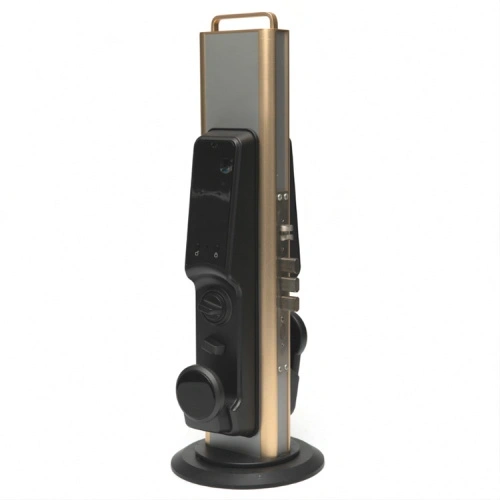
Fingerprint door lock installation process
Compared to traditional mechanical door locks, fingerprint door locks are relatively easy to install, and many brands and models, such as Smart Door Lock, have been designed with user-friendly installation solutions that make it possible for even users without a specialized technical background to complete the installation on their own. In general, the installation process for fingerprint door locks can be divided into the following steps:
1. Disassemble the old door lock
First, the old mechanical door lock needs to be removed. This step usually requires some basic tools such as a screwdriver. Most fingerprint door locks come with easy-to-install guides to ensure that users can easily remove the original lock.
2. Install the new lock
Follow the installation instructions provided to secure the new fingerprint door lock system to the door. Most Smart Door Lock systems are designed to fit common door frame sizes, and users simply follow the shape of the lock's back plate and the location of the screw holes.
3. Battery or Power Connection
Most fingerprint door locks, such as the Finger Print Door Lock, rely on battery power, and the user will need to follow the instructions for proper battery installation. Some high-end models may require access to a power source, so users may need to prepare a suitable power outlet during the installation process.
4.Setting up the Fingerprint Identification System
Once installation is complete, users can enter their fingerprints according to the product's instructions. During this step, it is usually necessary to enter fingerprint data through the touch sensor to ensure that the system can quickly recognize the fingerprint and verify it.
5. Debugging and Testing
After the installation is completed, the final step is to carry out system debugging and function testing. Users can try to unlock the door lock by fingerprint, password or other means (e.g. facial recognition) to ensure that the system works properly.
Simplicity of fingerprint door locks
The simplicity of fingerprint door locks is not only reflected in the installation process, but also in their daily use. Unlike traditional mechanical door locks, fingerprint door locks eliminate the risk of lost or copied keys. Users only need to enter their fingerprints into the system, which can be easily unlocked by fingerprint recognition, facial recognition (e.g. Face Recognition Door Lock) and other high-tech methods. Behind all this is the support of advanced hardware and software technology of fingerprint door locks, which enables users to experience the ultimate convenience.
1. No need to carry keys
One of the biggest advantages of fingerprint door locks is that no key is required. Users can unlock the door directly by fingerprint or facial recognition, which reduces the trouble of losing keys.
2.Multiple unlocking methods
In addition to fingerprints, many modern fingerprint door locks, such as Smart Door Lock, also support multiple ways of unlocking, such as passwords and card unlocking, ensuring that users are able to choose the most convenient way according to different scenarios.
3. Remote control and monitoring
Some smart door locks support connection with smartphones, allowing users to remotely unlock or check the status of the door lock through their cell phones, greatly improving the convenience and security of daily use.
Maintenance of fingerprint door locks
Although the installation process of fingerprint door locks is simple, regular maintenance and upkeep is very necessary to ensure its long-term stable working condition. Here are some common maintenance recommendations:
1. Clean the fingerprint sensor regularly
The fingerprint sensor is one of the core components of the fingerprint door lock, and over time, it may accumulate dust or show stains, affecting the recognition accuracy. Regularly wipe the sensor gently with a clean soft cloth to avoid dirt interfering with fingerprint recognition.
2. Check the battery power
Fingerprint door locks rely on battery power, so checking the battery level regularly is essential. Many fingerprint door locks will issue a warning when the battery is low, reminding users to replace the battery in time. When replacing the battery, it is recommended to choose a high-quality battery to ensure the device operates properly.
3. Update firmware and software
Like smart devices, the firmware and software of fingerprint door locks sometimes need to be updated to improve security and fix potential vulnerabilities. Users should check the manufacturer's update guide regularly to ensure that the lock's firmware and software are always at the latest version.
4. Maintain the lock cylinder and mechanical parts
Although fingerprint door locks rely heavily on biometrics for unlocking, their cylinders and mechanical parts are still important components. Users should regularly check the lock cylinder for smoothness to prevent jamming or damage. For aging or worn parts, replace or repair them in time.
5. Moisture and rust prevention
For fingerprint door locks installed outdoors or in humid environments, users should regularly check whether the locks are corroded or rusted due to humidity. If necessary, waterproof spray can be used to protect the exterior of the lock to extend its service life.
Fingerprint door locks are relatively simple to install and maintain, and not only can they provide excellent security and convenience, but their high-tech features allow users to enjoy a smarter life. Whether it is the Finger Print Door Lock for home use or the Smart Door Lock for commercial use, the simplicity of installation and maintenance makes it easy for users to get started. With regular maintenance and proper care, fingerprint door locks can remain in stable working condition for a long time and become an important part of home and business security.