

Swipe card password cabinet door locks have become a popular security solution for both residential and commercial use due to their convenience, enhanced security, and technological sophistication. As more businesses and households adopt these smart locking systems, energy efficiency and power management have become crucial factors to consider.
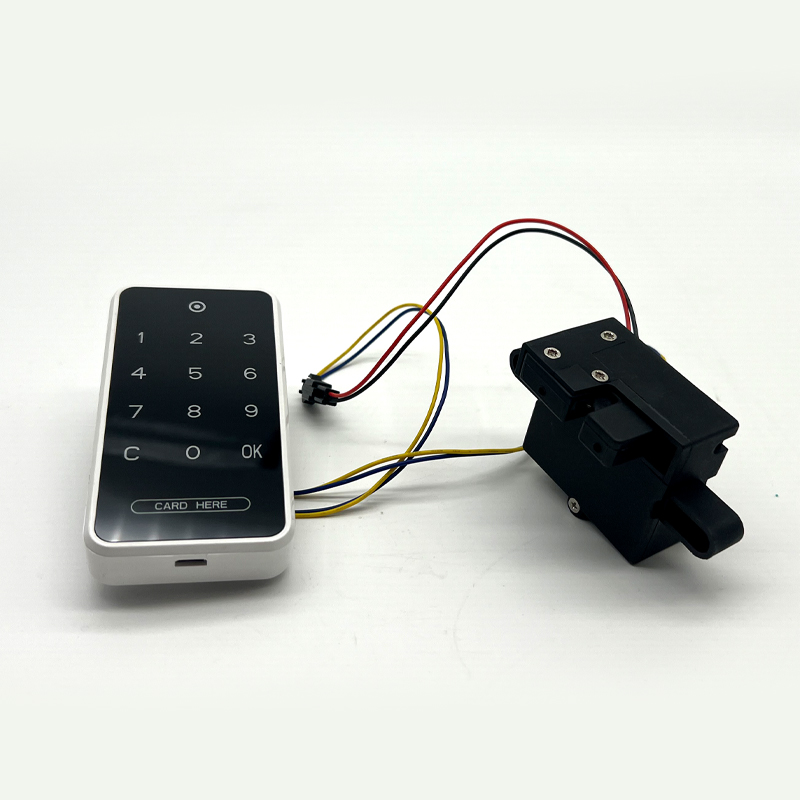
1. Understanding the Power Requirements for Swipe Card Password Cabinet Door Locks
Swipe card password cabinet door locks are electronic devices that rely on power to operate their locking mechanisms, display screens, keypads, and card readers. Unlike traditional mechanical locks, these locks must be powered continuously to ensure that they respond instantly to swipe card or password input. Typically, these smart locks are designed to operate efficiently on minimal power, but there are several key factors that influence their power requirements:
-
Type of Lock: Different models of swipe card password locks may have varying power needs based on features such as digital displays, LED indicators, and wireless connectivity (e.g., Bluetooth or Wi-Fi).
-
Usage Frequency: Locks that are accessed frequently may consume more power, especially if they use energy-intensive features like backlighting or automatic locking mechanisms.
-
Standby Power Consumption: Even when not in use, these locks need to consume a small amount of power to remain in standby mode, allowing them to wake up instantly when a swipe card or password is presented.
2. Battery Life: A Key Factor in Lock Efficiency
Battery life is one of the most important aspects of a swipe card password cabinet door lock's energy efficiency. These locks are often powered by standard batteries such as AA or AAA, or by rechargeable lithium-ion batteries. Manufacturers design smart locks to maximize battery life while ensuring reliable operation. Here’s what you need to know about battery life:
-
Typical Battery Lifespan: For standard swipe card password cabinet locks, batteries can last anywhere from 6 months to 2 years, depending on the model and frequency of use. Models with more advanced features, like biometric integration or wireless connectivity, may have shorter battery life.
-
Low-Power Features: Many smart locks incorporate low-power modes to extend battery life. These modes minimize power consumption when the lock is not in use, relying on minimal energy to maintain standby functionality.
-
Battery Indicators: Most swipe card password cabinet locks have battery indicators to alert users when the battery is running low. Some advanced models also send notifications to a connected smartphone or smart home system, ensuring users are aware before the battery is fully depleted.
3. Backup Power Options for Swipe Card Password Cabinet Door Locks
To ensure continuous functionality, even in the case of a power failure or dead batteries, many swipe card password cabinet door locks are equipped with backup power options:
-
External Battery Pack: Some locks provide ports for connecting an external battery pack, allowing users to power the lock temporarily if the main batteries are depleted. This is particularly useful in emergency situations where immediate access is necessary.
-
Emergency Mechanical Key: In addition to electronic power sources, many models include an emergency mechanical key override. This ensures that users can still access the cabinet in the event of a power failure, providing peace of mind.
-
Solar Power Options: Although not yet widespread, there are emerging options that integrate small solar panels to power the lock. These panels can provide supplemental energy, reducing the reliance on traditional batteries and contributing to sustainability.
-
Capacitor Backup: Some advanced locks use capacitors that can retain enough charge for a single or limited-use operation, allowing the user to open the cabinet even if the main power source has failed.
4. Energy-Efficient Features to Ensure Long-Term Functionality
Manufacturers of swipe card password cabinet door locks have introduced various energy-efficient features to optimize power usage and ensure long-term functionality. These features not only extend battery life but also contribute to the overall reliability of the lock. Here are some common energy-efficient innovations:
-
Automatic Sleep Mode: Smart locks often have an automatic sleep mode that activates when the lock is not in use for a set period. In sleep mode, the lock significantly reduces power consumption, only waking up when a card is swiped or a button is pressed.
-
LED and Display Efficiency: LED lights and digital displays can consume a significant portion of a lock’s power. Energy-efficient locks use low-power LED indicators, dimmable displays, or screens that only light up when needed, reducing unnecessary energy consumption.
-
Efficient Motor Mechanisms: The motor that operates the locking and unlocking mechanism can be a major power draw. Modern locks use highly efficient motor systems that require less power to activate, contributing to longer battery life.
-
Bluetooth Low Energy (BLE): For locks that feature wireless connectivity, Bluetooth Low Energy (BLE) technology is used to minimize power consumption. BLE provides a way for the lock to communicate with smartphones or smart home systems without draining the battery quickly.
-
Adaptive Access: Some advanced locks feature adaptive access technology, adjusting power consumption based on user patterns. For instance, the lock might increase its sensitivity and power usage during peak hours when access is frequent and switch to a lower-power state during off-hours.
5. Choosing the Right Power Solution for Your Swipe Card Password Cabinet Door Lock
Selecting the appropriate power solution for a swipe card password cabinet door lock depends on the specific needs of the user and the environment in which the lock will be used:
-
Residential Use: For home applications, locks with longer battery life and emergency key overrides are often ideal. Users should look for models with energy-efficient features that require minimal maintenance.
-
Commercial Use: In high-traffic environments, such as offices or shared workspaces, it’s advisable to choose locks with easily replaceable or rechargeable batteries, along with backup options like external battery packs or solar supplements to ensure uninterrupted access.
-
Industrial Use: In industrial settings, durability and reliability are key. Locks with rugged, energy-efficient components and robust backup power solutions are essential to handle frequent usage and harsh conditions.
6. Maintaining Power Efficiency in Swipe Card Password Cabinet Door Locks
To maximize the power efficiency of your smart lock, consider the following tips:
-
Regular Battery Maintenance: Check the battery status periodically and replace batteries before they run out completely. Keep spare batteries on hand, especially in commercial or critical-use environments.
-
Optimize Settings: Use the lock’s settings to optimize power usage. If available, reduce the brightness of displays, disable unnecessary notifications, and set sleep mode timers to a reasonable period.
-
Keep Firmware Updated: Some locks allow for firmware updates that can improve energy efficiency or add new features. Keeping the firmware updated ensures that the lock operates at peak efficiency.
-
Monitor Usage: Be aware of how frequently the lock is used and adjust settings accordingly. High-traffic environments may require more frequent battery checks and potential adjustments to energy settings.
Swipe card password cabinet door locks are a secure and convenient solution for modern homes and offices, but ensuring that they remain functional requires careful attention to energy efficiency and power management. By understanding the power requirements, choosing locks with energy-efficient features, and maintaining regular battery checks, users can enjoy the benefits of a reliable, long-lasting smart lock. As technology continues to advance, we can expect even more innovative power solutions to make these locks smarter and more sustainable.