

Products like Fingerprint Door Locks, Face Recognition Door Locks, Swipe Door Locks, Hotel Locks, and Password Door Locks are widely used in residential, commercial, and hospitality environments. This article explores these smart lock technologies, their features, and their applications.
What Is a Smart Door Lock?
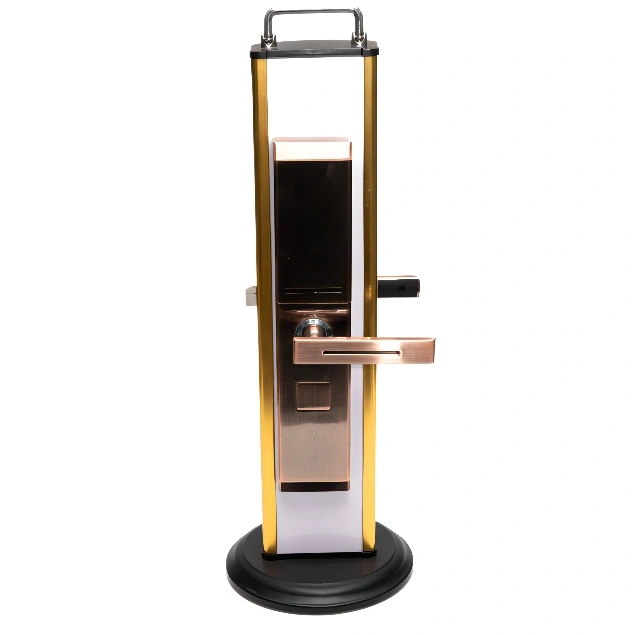
A Smart Door Lock is an electronic locking system that allows users to unlock doors without traditional keys. Instead, these locks use digital authentication methods such as biometrics, passwords, mobile apps, or access cards.
Key Advantages of Smart Door Locks
-
Keyless entry for convenience
-
Advanced security technology
-
Multiple unlocking methods
-
Remote access and monitoring
-
Integration with smart home systems
Smart door locks improve both security and user experience, making them increasingly popular in modern buildings.
Fingerprint Door Lock
A Fingerprint Door Lock uses biometric fingerprint recognition technology to identify authorized users and unlock the door instantly.
Key Features
-
High-precision fingerprint sensors
-
Fast unlocking speed (usually within 0.5 seconds)
-
Ability to store multiple fingerprints
-
Anti-fake fingerprint technology
Advantages
-
No need to carry keys
-
Highly secure biometric identification
-
Quick and convenient access
-
Suitable for family members or office staff
Applications
Fingerprint locks are commonly used in:
-
Residential homes
-
Office buildings
-
Apartments
-
Private rooms and studios
Because fingerprints are unique, this technology offers high-level security and easy access management.
Advantages of Smart Door Lock Systems
Smart locks provide several important benefits compared with traditional locks.
1. Enhanced Security
Biometric recognition and digital authentication significantly reduce the risk of unauthorized access.
2. Keyless Convenience
Users no longer need to carry physical keys, reducing the chances of lost or stolen keys.
3. Multiple Access Methods
Smart locks often support multiple unlocking methods, including:
-
Fingerprint
-
Face recognition
-
Password
-
RFID card
-
Mobile app control
4. Remote Control and Monitoring
Many smart locks can connect to mobile apps, allowing users to:
-
Unlock doors remotely
-
Monitor entry records
-
Manage access permissions
5. Modern Smart Home Integration
Smart locks can be integrated with home automation systems, providing a fully connected smart living environment.
Choosing the Right Smart Door Lock
When selecting a smart door lock, several factors should be considered:
-
Security level required
-
Installation environment (home, office, hotel)
-
Preferred unlocking method
-
Compatibility with smart home systems
-
Durability and battery life
For example:
-
Fingerprint Door Locks are ideal for homes and offices.
-
Face Recognition Door Locks are suitable for high-end smart homes.
-
Swipe Door Locks work well in access-controlled buildings.
-
Hotel Locks are designed specifically for hospitality management.
-
Password Door Locks provide simple keyless access for many environments.
Modern Smart Door Locks are transforming the way people secure and access buildings. With technologies such as Fingerprint Door Locks, Face Recognition Door Locks, Swipe Door Locks, Hotel Locks, and Password Door Locks, users can enjoy enhanced security, convenience, and smart control.
As smart home and digital security technologies continue to evolve, smart locks will play an increasingly important role in residential security, commercial access control, and hospitality management systems.