

What Are Electronic Door Locks?
Electronic door locks are locking devices that use electrical power to control access rather than a purely mechanical key. Instead of turning a key, users unlock doors through methods such as:
-
PIN codes or passwords
-
RFID cards or key fobs
-
Smartphone apps (Bluetooth or Wi-Fi)
-
Fingerprint or biometric recognition
-
Remote control or centralized systems
An electronic lock for door systems typically includes the lock body, control module, power supply (battery or wired), and optional lock accessories such as readers, controllers, and sensors.
Compared to traditional locks, electronic locks allow more flexible access management and better monitoring.
How Safe Are Electronic Door Locks?
The short answer: yes, electronic door locks are safe, and in many cases, safer than conventional locks—when properly selected, installed, and maintained.
Key Safety Advantages
-
Controlled Access
Electronic locks allow precise control over who can enter and when. Temporary access codes or digital keys can be issued and revoked instantly. -
No Physical Key Risks
Traditional keys can be lost, copied, or stolen. An electronic front door lock eliminates these risks by relying on digital credentials. -
Audit Trails
Many electronic locks record entry logs, showing exactly when and how a door was opened. -
Auto-Locking Features
Doors can automatically lock after closing, reducing human error. -
Integration With Security Systems
Electronic locks can work with alarms, cameras, and smart home platforms.
Common Types of Electronic Locks
Understanding different lock types helps evaluate safety levels.
Electromagnetic Lock
An electromagnetic lock (mag lock) uses a powerful electromagnet to secure the door when energized.
Pros:
-
Extremely strong holding force
-
No moving mechanical parts
-
Ideal for commercial and emergency exits
Cons:
-
Requires continuous power
-
Needs backup power to remain secure during outages
These locks are commonly used in offices, hospitals, and controlled-access buildings.
Electric Lock (Electric Strike or Electric Bolt)
An electric lock uses electrical signals to release or engage a mechanical locking component.
Pros:
-
Works with access control systems
-
Maintains physical locking strength
-
Can be fail-safe or fail-secure
Cons:
-
Installation requires wiring
-
Quality varies by manufacturer
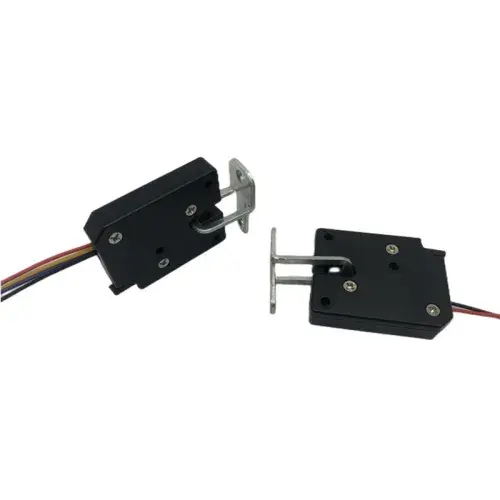
Titanium Wire Electric Lock
A Titanium Wire Electric Lock uses a heating titanium wire mechanism to trigger unlocking.
Advantages include:
-
Compact structure
-
Fast response time
-
Low power consumption
-
High durability and corrosion resistance
This type of electric lock is often used in smart cabinets, parcel lockers, vending machines, and specialized access systems.
Smart Electronic Door Locks
These locks combine electronic locking with IoT technology.
Features often include:
-
Mobile app control
-
Remote unlocking
-
Real-time alerts
-
Integration with smart home systems
A high-quality smart lock can be the best electronic door lock choice for modern homes.
Are Electronic Door Locks Vulnerable to Hacking?
This is one of the most common concerns about electronic door locks.
The Reality
-
Low-quality or outdated locks may have weak encryption.
-
Reputable brands use advanced encryption, rolling codes, and secure communication protocols.
-
Physical break-ins are still far more common than digital attacks.
How to Reduce Risks
-
Choose locks with AES or equivalent encryption
-
Regularly update firmware
-
Use strong PIN codes
-
Avoid unknown third-party apps
-
Secure your home Wi-Fi network
When properly configured, an electronic lock for door is not easier to bypass than a mechanical lock.
Power Failure: Are Electronic Locks Still Safe?
Power reliability is a major factor in electronic lock safety.
Built-in Safety Measures
Most electronic locks include:
-
Battery backup systems
-
Low-battery alerts
-
Emergency mechanical key options
-
External power interfaces (USB or terminals)
For electromagnetic locks, backup power supplies are essential. For residential electronic front door lock systems, battery-powered models can operate for months without replacement.
Choosing the Best Electronic Door Lock
To select the best electronic door lock, consider the following factors:
Application Scenario
-
Home main entrance
-
Apartment
-
Office building
-
Warehouse
-
Smart cabinet or locker
Lock Type
-
Electromagnetic lock for high-traffic areas
-
Electric lock for standard doors
-
Titanium wire electric lock for compact devices
Security Features
-
Encryption level
-
Tamper alerts
-
Auto-locking
-
Multi-factor authentication
Lock Accessories
High-quality lock accessories improve performance and lifespan, including:
-
Access controllers
-
Power supplies
-
Backup batteries
-
Mounting brackets
-
Door sensors
Installation and Maintenance Tips
Even the safest electronic lock can fail if poorly installed.
Best practices include:
-
Professional installation for wired systems
-
Regular battery replacement
-
Firmware updates
-
Periodic inspection of wiring and accessories
-
Testing emergency unlocking methods
Are Electronic Door Locks Safe?
Yes—electronic door locks are safe, reliable, and often more secure than traditional locks when chosen and used correctly.
Whether you’re installing an electronic front door lock for your home, an electromagnetic lock for a commercial building, or a Titanium Wire Electric Lock for smart devices, modern electronic locks provide strong security, convenience, and scalability.
The key lies in selecting quality products, using proper lock accessories, and maintaining the system regularly. When these factors are in place, electronic locks offer a future-ready security solution for both residential and commercial environments.