

In the evolving landscape of modern electronic systems, security, stability, and miniaturization have become core design principles. Among the innovative components supporting these advancements is the Precision Electronic Titanium Wire Lock—a specialized electric lock system designed for high-reliability environments. Whether used in aerospace electronics, medical devices, or advanced communications hardware, this unique locking mechanism offers precision fastening, lightweight construction, and superior corrosion resistance.
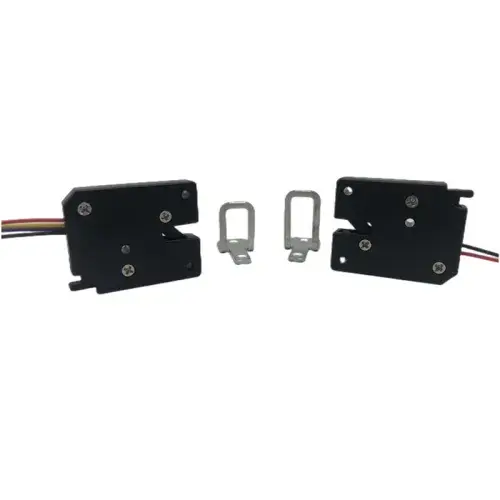
Structure and Composition
A Precision Electronic Titanium Wire Lock typically consists of:
Titanium wire or filament formed into a tensioned locking loop or coiled structure.
Micro-scale fasteners or latch interface for secure placement within compact electronic modules.
Electronic actuation system (optional in some models), enabling automated or remote-controlled locking and unlocking.
What sets it apart is the use of titanium, a metal known for its excellent strength-to-weight ratio, resistance to corrosion, and ability to maintain mechanical integrity under high temperatures or magnetic fields. This makes the Titanium Wire Electric Lock ideal for sensitive, high-value electronic applications.
How It Works
Unlike conventional mechanical locks, a Titanium Wire Electric Lock operates using either a mechanical tensioning system or an integrated electronic actuator. In either case, the titanium wire plays a critical role by:
Securing electrical or mechanical components in place through precise tension and grip.
Allowing for rapid release or locking via electrical signals, enhancing automation.
Maintaining performance in compact, high-density electronic environments without adding significant weight or complexity.
The structure ensures that once locked, the connection is resistant to vibration, electromagnetic interference, and thermal fluctuations—conditions commonly found in military or industrial electronics.
Core Applications
The Precision Electronic Titanium Wire Lock finds usage in a wide range of electronic systems where reliability and compactness are paramount:
Aerospace avionics modules
Implantable and wearable medical electronics
Telecom and satellite communication hardware
Secure data centers and control systems
Automotive control units in EVs and autonomous vehicles
These locks are often preferred over traditional electric lock mechanisms due to their non-magnetic nature, biocompatibility, and resistance to material fatigue over time.
Key Advantages
| Feature | Benefit |
| Titanium Wire Construction | Corrosion-proof, non-magnetic, lightweight |
| High Precision Engineering | Ensures micro-level locking accuracy |
| Electric Lock Compatibility | Integrates with digital control systems |
| Miniature Design | Supports ultra-compact PCB and enclosure integration |
| Reusable and Durable | Withstands thousands of lock/unlock cycles |
Future of Electronic Locking Technology
As electronic devices continue to shrink while demanding higher performance, the need for advanced fastening and locking solutions grows. The Titanium Wire Electric Lock is not just a physical connector—it’s part of a new generation of smart, lightweight security hardware.
The Precision Electronic Titanium Wire Lock represents the intersection of materials science, electronics, and mechanical precision. For manufacturers focused on next-generation electronic designs, incorporating this locking solution offers tangible benefits in security, system longevity, and product miniaturization.
Ready to upgrade your locking system with precision and strength?
Explore advanced Electric Lock options featuring cutting-edge Titanium Wire Electric Lock technology today.